Exploring the Merits of Opting for Bulk Freight Transport for Your Shipping Needs
Bulk trucking offers a strategic choice for firms seeking to streamline their transport operations. Through shipment consolidation, organizations can obtain major financial benefits and lower their impact on the environment. Additionally, bulk transport ensures improved reliability and adaptability in transport timetables - Illinois top rated Bulk Trucking. Since the environment of supply chain management evolves, understanding the nuances of bulk trucking is critical for securing market superiority. What other advantages could this strategy uncover for modern businesses?
Lowering Costs Using Economies of Scale
Despite many firms are encountering higher transport fees, bulk freight provides significant cost savings through economies of scale. By consolidating shipments, companies can reduce the cost to transport each item, as more substantial loads permit optimized resource deployment such as fuel and labor. Such efficiency results in reduced total costs, thereby positioning bulk haulage as an attractive option for firms aiming to improve their transport operations.
Moreover, bulk transport reduces the amount of travel needed, which further decreases costs associated with fleet servicing and labor costs. Firms may obtain more favorable fees with carriers when promising greater quantities, enabling them to benefit from reduced shipping fees. Consequently, firms may dedicate their cost reductions towards different parts of the business, improving their market position. In conclusion, the economic advantages of bulk trucking make it a strategic choice for companies seeking to increase profitability while ensuring effective transport management.
Decreased Impact on the Environment
Bulk transport significantly helps achieve a reduced environmental impact, establishing it as a sustainable solution for transportation. When combining deliveries, this approach lowers the amount of journeys needed to ship items, which subsequently lowers fuel consumption and greenhouse gas emissions. The streamlined approach to transporting large quantities of materials means less trucks are needed for transport, lessening traffic jams and strain on public works.
Additionally, many bulk trucking companies are implementing greener methods, such as deploying energy-saving fleets and optimizing routing to lower their emissions substantially. Employing modern technology in the supply chain further assists with tracking pollution and enhancing overall efficiency. Given that corporations are emphasizing sustainability more, opting for bulk trucking helps environmental initiatives and aligns with their corporate responsibility aims. Therefore, bulk transport acts as an effective answer for companies seeking to lessen their environmental impact while still fulfilling their shipping requirements.
Better Transit Times and Trustworthiness
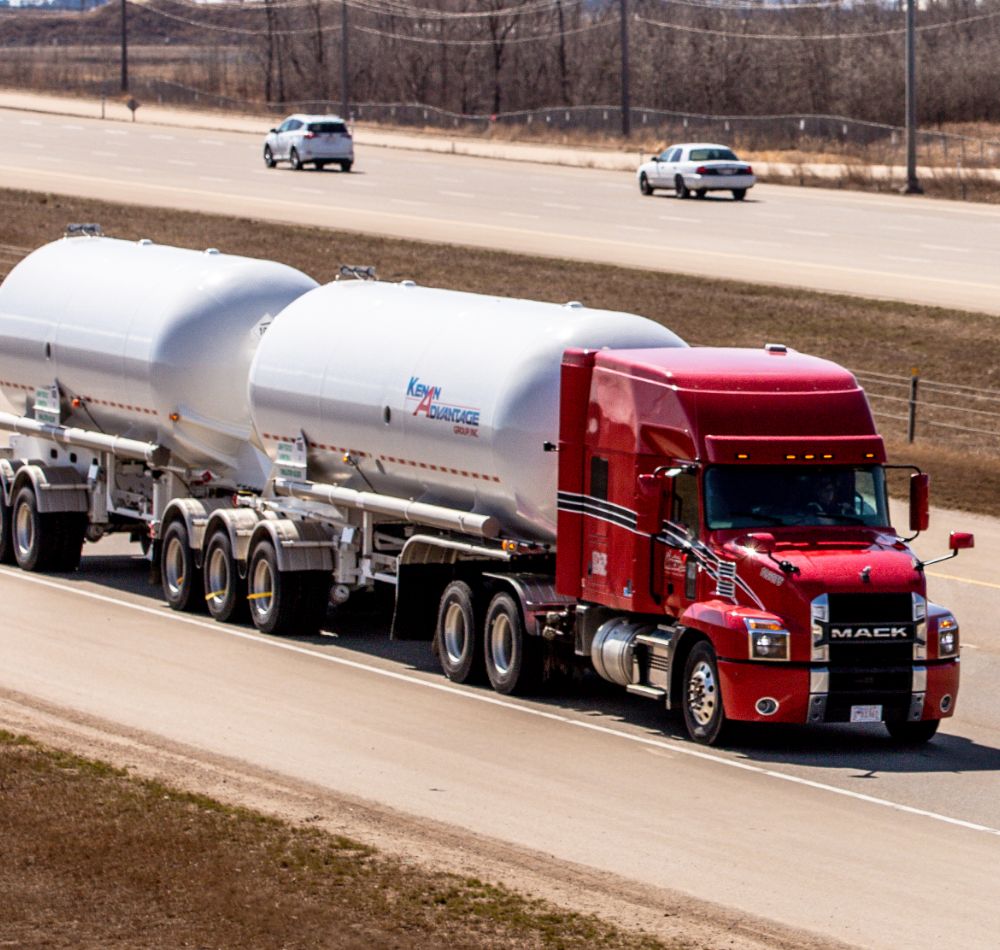
When businesses opt for bulk transport for moving their goods, they usually benefit from better transit times and improved consistency. This mode of transportation is designed to efficiently handle large quantities of goods, minimizing the required trips. By consolidating shipments, firms can lessen delays linked to pickup and drop-off, resulting in quicker delivery speeds.
Furthermore, bulk transport usually requires fewer halts, which simplifies the shipping operation. Numerous bulk haulers employ cutting-edge tracking and logistics tools, providing real-time updates that enhance transparency and accountability. This transparency allows firms to plan better, ensuring that products arrive on schedule.
In addition, the reliability of bulk trucking is bolstered by experienced drivers and regularly maintained equipment, lessening the possibility of malfunctions or delays. In turn, businesses can rely on bulk transport providers to regularly meet their delivery schedules, which ultimately boosts client happiness and solidifying business connections.
Superior Load Size and Flexibility
While numerous transport choices limit the size of the load, bulk transport provides greater hauling volume that allows companies to transport substantial quantities of goods in a single haul. This feature is especially advantageous for industries that must transport massive volumes, including mining, construction, and agriculture. Employing vehicles tailored for bulk cargo, businesses can optimize their shipping processes, cutting down the journeys required to ship products.
Moreover, bulk transport offers versatility in how loads are arranged, allowing for diverse product types, such as powders, grains, and liquids. This adaptability enables businesses to respond to fluctuating demands and efficiently manage their supply chain without compromising on capacity. By utilizing the greater volume and adaptability of bulk transport, firms can simplify their workflows, reduce shipping expenses and guarantee a more reliable delivery process. Ultimately, this option presents a practical solution for firms aiming to maximize delivery efficiency and meet customer expectations.
Efficient Supply Chain Operation

Better logistics coordination is easier to achieve with the addition of mass hauling into the operational framework. By consolidating shipments, businesses can lower shipping expenses and quicken transit schedules. Large-scale transport enables the transfer of greater volumes of cargo in less journeys, lessening the difficulty associated with multiple shipments. This streamlining enables superior warehouse organization, as companies can get and send out goods more rapidly.
Furthermore, bulk trucking enhances communication and coordination among supply chain partners. With a smaller number of haulers, monitoring deliveries is easier, leading to improved visibility and quicker response times to any issues that may arise. The trustworthiness of bulk trucking also ensures that goods arrive at their destinations in excellent shape, decreasing the chance of delays or damages. In summary, adding large-scale hauling into logistics planning promotes a more integrated and efficient logistics framework, aiding enterprises and their clientele equally.
FAQs
What Types of Goods Are Best Suited for Bulk Trucking?
Large-scale hauling is best for shipping high volumes of cargo such as farm produce, construction materials, industrial compounds, and food items. These goods gain from streamlined, affordable transport options, reducing handling and decreasing transit expenses.
How Do I Find a Trustworthy Mass Hauler?

To find a dependable mass transporter, one should research online reviews, solicit advice from other businesses, check necessary permits, and get multiple bids - Illinois top rated Bulk Trucking. Additionally, evaluating the provider’s experience and truck capacity is necessary for more information making a sound choice
How Long Does It Usually Take for Large Cargo Loads?
The standard shipping duration for bulk shipments typically ranges from 24 to 72 hours, based on the mileage, road quality, and the nature of the freight. Variability in these factors can significantly alter transit times.
Are There Limits on Mass for Large Cargo Deliveries?
Absolutely, bulk trucking loads typically have weight restrictions, which change regionally and equipment used. Illinois top rated Bulk Trucking. Rules provide security and regulatory conformity, often limiting loads to approximately 80,000 pounds for typical commercial vehicles on major roads
Can Bulk Trucking Manage Temperature-Sensitive Shipments?
Absolutely, bulk trucking can manage temperature-sensitive shipments by employing specific gear, like temperature-controlled vans. This feature makes certain that perishable goods maintain their specified temperature range during transit, preserving their condition and quality.