Investigating the Upsides of Using Bulk Trucking for Your Transportation Requirements
Bulk haulage offers a strategic choice for businesses aiming to improve their supply chain. Through shipment consolidation, companies can achieve significant cost savings and lower their impact on the environment. Additionally, this approach provides improved reliability and flexibility in transport timetables - Illinois top rated Bulk Trucking. Given the evolution of supply chain management evolves, knowing the details of bulk trucking becomes essential for maintaining a competitive edge. What additional upsides might this approach reveal for contemporary companies?
Achieving Cost Reduction Via Economies of Scale
Despite many firms face rising transportation costs, bulk freight provides major reductions in cost through economies of scale. Through the grouping of deliveries, companies can reduce the cost to transport each item, as more substantial loads permit more efficient use of resources such as staff and energy. This efficiency translates to reduced total costs, which makes bulk transport a compelling choice for firms aiming to improve their transport operations.
Moreover, bulk trucking minimizes the number of necessary journeys, which helps lower expenses even more associated with vehicle maintenance and driver wages. Firms may obtain more favorable fees with carriers when agreeing to bigger loads, enabling them to benefit from lower delivery charges. As a result, firms may dedicate their cost assessment reductions towards other operational areas, enhancing their competitive edge. In the end, the economic advantages of bulk trucking make it a strategic choice for companies seeking to increase profitability while keeping logistics running smoothly.
Lowering the Ecological Footprint
This method plays a major role in a reduced environmental impact, making it an eco-friendly choice for shipping. When combining deliveries, this approach lowers the frequency of travel to ship items, which thereby reduces fuel consumption and greenhouse gas emissions. The streamlined approach to transporting large quantities of materials results in a lower vehicle count, lessening traffic jams and strain on public works.
Furthermore, a lot of haulage firms are moving toward environmentally friendly operations, such as utilizing fuel-efficient vehicles and optimizing routing to lower their emissions substantially. Employing modern technology in transport management further assists with monitoring emissions and improving total effectiveness. Given that corporations are emphasizing sustainability more, using bulk shipping doesn't just support green efforts but also aligns with corporate social responsibility goals. Thus, bulk trucking serves as a practical solution for firms aiming to minimize their environmental damage and still completing their logistical requirements.
Better Transit Times and Trustworthiness

If firms select bulk hauling for their transportation needs, they frequently see faster delivery speeds and improved consistency. This transport option is engineered to efficiently move large amounts of cargo, decreasing the total number of hauls. Through combining loads, companies can minimize delays associated with loading and unloading, leading to faster transit times.
What's more, bulk trucking typically involves fewer stops, which simplifies the shipping operation. A lot of bulk transport firms use modern logistics and tracking systems, giving instant information which boosts openness and dependability. Having this visibility enables companies to plan efficiently, making sure that goods are delivered promptly.
In addition, bulk transport's dependability is strengthened by seasoned operators and properly serviced trucks, minimizing the chance of mechanical failures or holdups. In turn, companies can depend on bulk trucking services to regularly meet their delivery schedules, ultimately improving customer satisfaction and reinforcing business relationships.
Enhanced Load Capacity and Flexibility
Although many shipping methods restrict cargo volume, bulk trucking offers enhanced load capacity allowing firms to ship significant volumes of materials in a single journey. This capacity proves highly useful for industries that must transport massive volumes, including mining, construction, and agriculture. Employing vehicles tailored for bulk cargo, businesses can optimize their shipping processes, cutting down the journeys required to ship products.
Additionally, bulk hauling allows adaptability in cargo setup, allowing for diverse product types, including liquids, grains, and powders. This flexibility helps firms adjust to evolving needs and effectively handle their logistics network without losing hauling power. By utilizing the greater volume and adaptability of bulk transport, businesses can streamline their operations, reduce shipping expenses and secure a more consistent delivery method. Ultimately, this method provides an effective solution for companies seeking to maximize shipping efficiency and meet customer expectations.
Optimized Logistics Network Control

Optimized supply chain management is easier to achieve with the integration of bulk trucking into transport processes. By consolidating shipments, businesses can reduce transportation costs and improve delivery times. Mass hauling allows for the shipping of more products in less journeys, lessening the difficulty of handling many separate loads. This streamlining allows for better inventory management, as companies can accept and dispatch items with greater speed.
Furthermore, bulk trucking strengthens interaction and collaboration among supply chain partners. With less transporters utilized, shipment visibility is streamlined, leading to improved visibility and faster reaction speed to any issues that may arise. The reliability of bulk trucking also guarantees that goods arrive at their destinations in excellent shape, minimizing the possibility of delays or damages. Overall, incorporating mass transport into logistics planning promotes a more integrated and effective operational structure, benefiting businesses and their clientele equally.
Questions and Answers
Which Products Are Ideal for Mass Transport?
Large-scale hauling is best for shipping high volumes of cargo such as crops, raw materials, chemicals, and food items. These goods profit from effective, economical delivery techniques, minimizing manipulation and minimizing overall transportation costs.
Where Can I Locate a Reliable Bulk Trucking Provider?
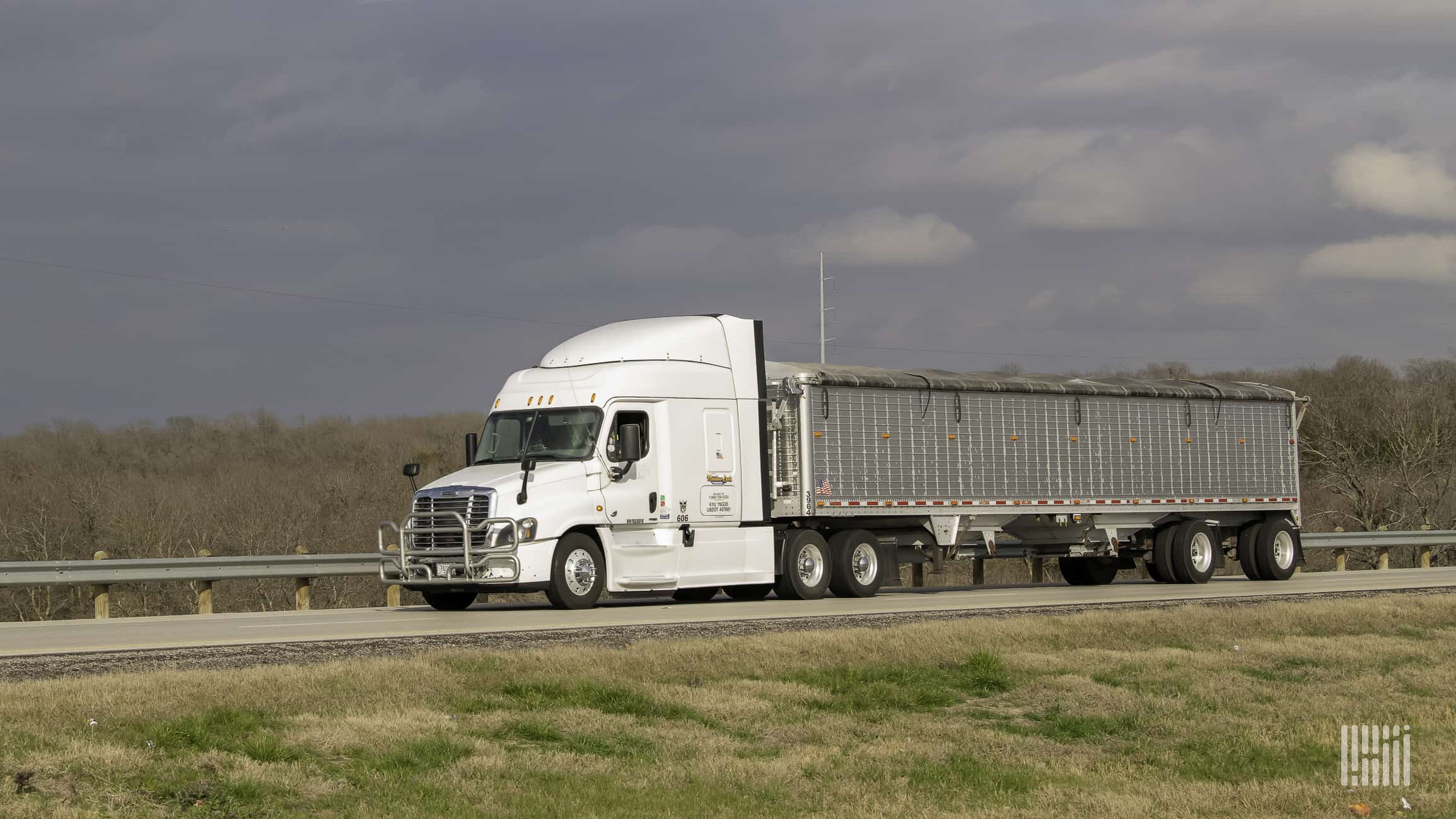
To find a trustworthy logistics firm, one should check digital feedback, ask colleagues for referrals, check necessary permits, and compare quotes - Illinois top rated Bulk Trucking. Additionally, evaluating the provider’s experience and fleet capability is crucial to informed decision-making
How Long Does It Usually Take for Mass Deliveries?
The standard shipping duration for bulk shipments typically ranges from 24 to 72 hours, depending on distance, road quality, and the nature of the freight. Variability in these factors can affect delivery schedules considerably.
Do Weight Limits Apply for Mass Transport Shipments?
Absolutely, bulk trucking loads must adhere to maximum weights, which vary by state and equipment used. Illinois top rated Bulk Trucking. Statutes guarantee security and regulatory conformity, often limiting loads to approximately 80K pounds for standard trucks on major roads
Is Bulk Transport Accommodate Perishable Goods?
Absolutely, bulk trucking is able to handle goods requiring climate control by employing dedicated machinery, such as refrigerated trailers. This ability ensures that temperature-dependent items keep their required temperatures throughout the journey, safeguarding quality and freshness.